
Monsoon days usually bring cool weather, fresh air, and more family time indoors. During this season, many parents also become more careful about their children’s daily habits and eating routines.
The rainy season is a time when families often pay closer attention to their children’s daily health habits. With changing weather conditions and increased exposure to seasonal infections, many parents look for practical ways to support their child’s overall well-being. Focusing on healthy routines, balanced meals, and good hygiene can help create a strong foundation for everyday wellness. Understanding how to improve immunity in kids during the rainy season can help families adopt a healthier, more balanced lifestyle.
Understanding how to improve immunity in kids during the rainy season can help families adopt a healthier, more balanced lifestyle.
Include Warm and Freshly Cooked Meals During Rainy Days
During the monsoon, warm, freshly cooked food often feels more comforting and satisfying to children. You can include simple meals like soups, dal, rice, khichdi, and lightly cooked vegetables in their daily diet.
Freshly prepared food may help children maintain better eating habits during humid weather. Many families also avoid eating stale or uncovered food during this season. Warm breakfasts and light evening snacks can also make rainy days feel cozier.
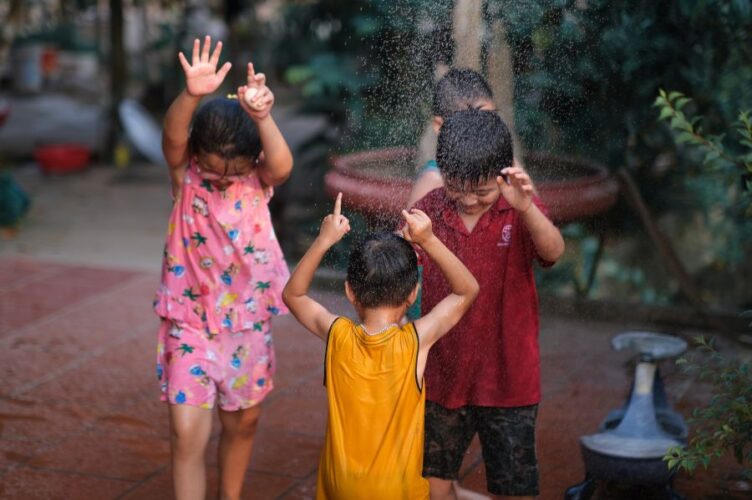
Add Seasonal Fruits and Natural Vitamin-Rich Foods to Daily Meals
Seasonal fruits are a simple way to add nutrition and variety to your child’s meals. Fruits like oranges, guavas, papayas, and pears are commonly eaten during the rainy season.
Many of these fruits contain vitamins, antioxidants, and fiber that support overall health and growth.
Some easy options to include in daily meals are:
- Guava – rich in vitamin C and dietary fiber.
- Papaya – contains vitamins A and C and is easy for children to eat.
- Oranges – a popular source of vitamin C and hydration.
- Spinach – provides vitamins, minerals, and antioxidants.
- Carrots – a good source of beta-carotene, which the body converts into vitamin A.
- Almonds and walnuts – convenient snacks that provide healthy fats and nutrients.
You may also give small amounts of dry fruits and nuts as healthy snack options. Instead of relying on packaged snacks, try incorporating a variety of colorful fruits and vegetables throughout the week. This helps children enjoy different flavors while getting a broader range of nutrients.
Amid daily routines, these small food habits may help improve kids’ immunity in a natural and practical way while also encouraging lifelong healthy eating patterns.
Encourage Proper Handwashing and Personal Hygiene Habits
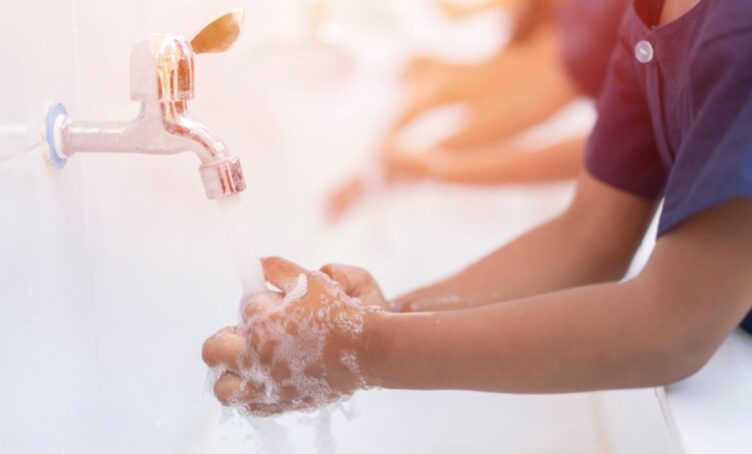
Good hygiene becomes even more important during the monsoon season. You can teach children to wash their hands properly before eating and after coming inside. Keeping nails short and clean may also help maintain better hygiene.
Children should also change out of wet clothes quickly and take regular baths to stay clean. When these habits are followed daily at home, children gradually learn to maintain their cleanliness on their own.
Keep Kids Hydrated With Safe and Clean Drinking Water
Children may drink less water during cooler rainy days without realizing it. Parents can encourage them to drink water regularly throughout the day. Many families prefer to give boiled or filtered water during the monsoon as an extra precaution.
Along with water, warm soups and homemade drinks can also help keep children hydrated. Proper water intake may help kids stay active and energetic during both indoor and outdoor activities.
Maintain Healthy Sleep and Indoor Physical Activities
Good sleep is very important for children’s daily routine, growth, and energy levels. During the rainy season, maintaining a consistent sleep schedule can help children feel more rested and active throughout the day. Experts generally recommend that preschool children aged 3 to 5 years get 10 to 13 hours of sleep per day, school-age children aged 6 to 12 years get 9 to 12 hours, and teenagers get 8 to 10 hours of sleep each night.
Parents can support healthy sleep habits by:
- Keeping the same bedtime and wake-up time every day, including weekends.
- Limiting screen time at least one hour before bedtime.
- Creating a calm bedtime routine that includes activities such as brushing teeth, reading a book, and dimming lights.
- Making sure the bedroom is quiet, comfortable, and free from distractions.
Since outdoor play may become limited during rainy weather, children can stay active indoors through:
- Dancing to their favorite music.
- Simple stretching exercises.
- Indoor obstacle courses.
- Yoga designed for children.
- Active games such as treasure hunts or balloon games.
- Skipping, hopping, or playful movement challenges.
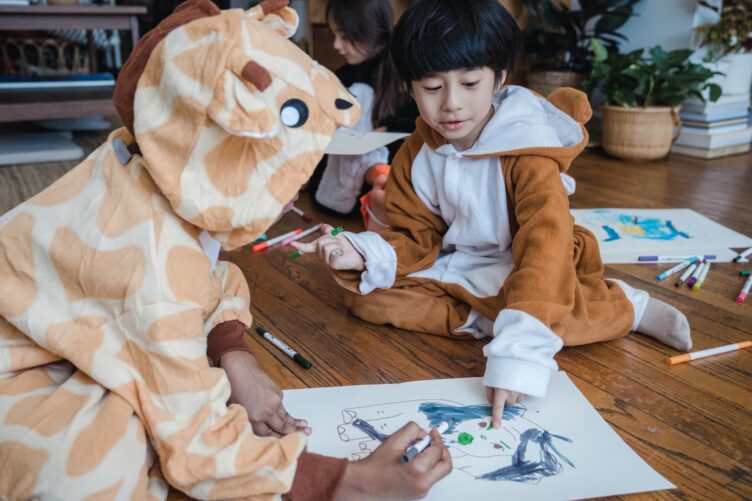
Reading books, solving puzzles, drawing, and spending quality family time together can also help create a positive daily routine. A balance of good sleep, regular movement, and enjoyable indoor activities can help children stay energetic, engaged, and comfortable throughout the monsoon season.
Use Simple Homemade Ingredients Like Turmeric, Tulsi, and Ginger
Many homes use simple kitchen ingredients in their regular meals and drinks during the monsoon season. Ingredients like turmeric, ginger, garlic, and tulsi are often added to milk, tea, soups, and cooked dishes.
You can include them in moderate amounts, depending on your family’s food preferences. Homemade preparations usually feel warm and comforting during cool rainy weather. These natural ingredients can also improve the taste of meals without making them too heavy.
Frequently Asked Questions
[su_spoiler title=”1. Can rainy weather affect children’s appetite?” style=”fancy”]Yes, some children may eat less during the monsoon season due to changes in weather, activity levels, or daily routines. Offering smaller, nutrient-rich meals and healthy snacks throughout the day can help ensure they continue getting the nutrition they need. Warm homemade meals are often more appealing during cooler, rainy days.
[/su_spoiler] [su_spoiler title=”2. Should children avoid playing outside during the monsoon?” style=”fancy”]Outdoor play does not always need to be avoided completely. However, parents should be mindful of slippery surfaces, waterlogged areas, and poor weather conditions. If children play outside, they should wear appropriate footwear, avoid stagnant water, and change out of wet clothes as soon as they return home to stay comfortable and maintain good hygiene.
[/su_spoiler] [su_spoiler title=”3. When should parents consult a doctor about their child’s immunity?” style=”fancy”]Frequent illnesses are a normal part of childhood, especially as children are exposed to new environments and germs. However, parents may consider speaking with a healthcare professional if a child experiences unusually frequent infections, prolonged recovery periods, persistent fatigue, poor growth, or recurring health concerns. A doctor can assess whether any underlying factors require attention and provide personalized guidance.
[/su_spoiler]Conclusion
The rainy season can be more enjoyable and comfortable when children follow simple, healthy daily habits. Small changes in food choices and daily routines may help kids stay active and comfortable as weather conditions change.
Warm meals, adequate water, proper sleep, indoor activities, and good hygiene all play an important role in seasonal care. Learning how to improve kids’ immunity doesn’t always require difficult routines or major lifestyle changes. Following simple everyday habits can help create a healthier and happier monsoon season for children.